Enhance Your Outdoor Space: Experienced Landscape Design Services
Transforming outdoor spaces is a challenging task. Many deal with problems like poor soil, limited sunlight, or unclear vision for their landscape. Expert landscape designers deliver tailored solutions that resolve these issues. They have a deep expertise about local flora and environmentally responsible techniques. Their knowledge can make a major impact. What are the primary advantages of engaging expert designers, and how can they improve your outdoor experience? The answers may surprise you.
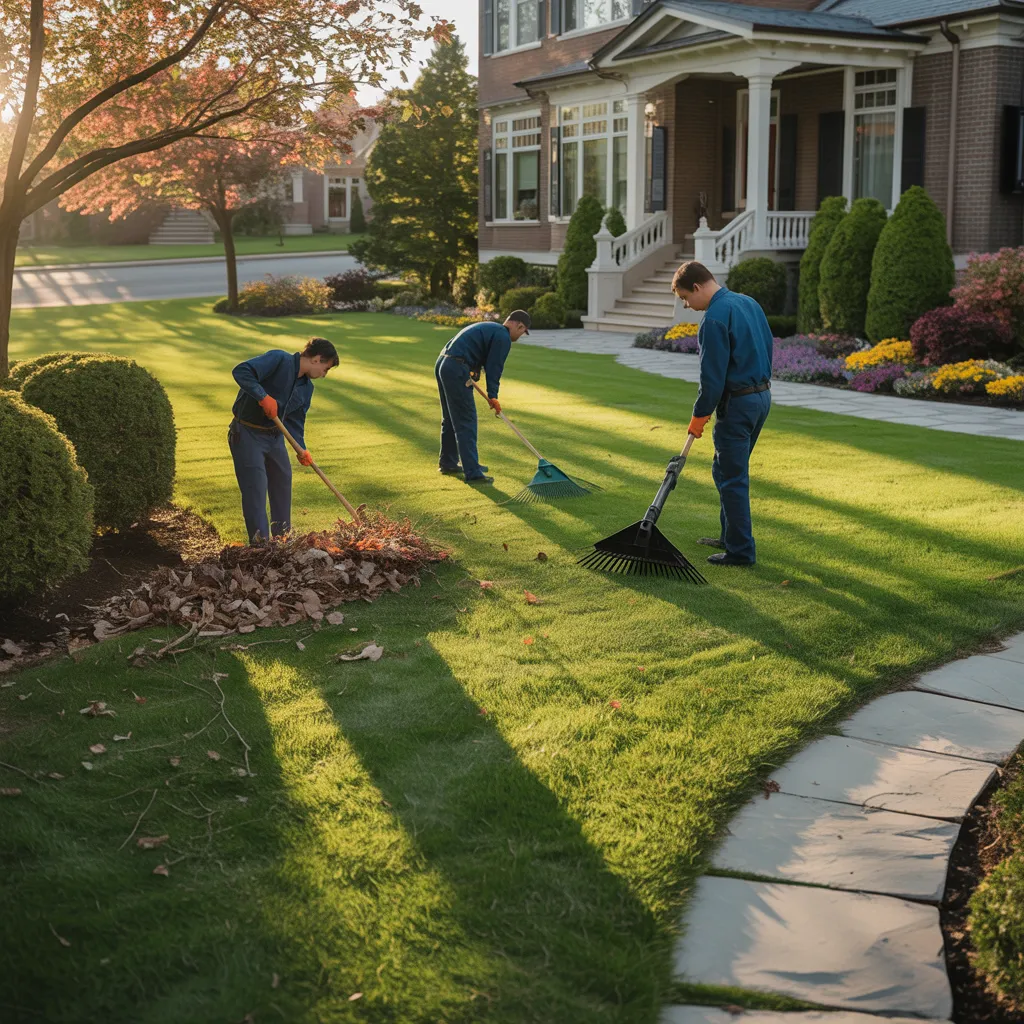
Prevalent Landscape Design Hurdles
When beginning on landscape design, many face challenges that can hinder the undertaking. One frequent issue is inadequate preparation, which can cause misaligned vision and implementation. Property owners often struggle to balance visual appeal with functionality, creating areas that may appear attractive but fail to serve their desired function. Additionally, understanding the regional climate and earth composition can pose challenges; inappropriate plant choices may lead to poor growth or upkeep problems.
Budget constraints also represent a significant hurdle, as many underestimate the costs associated with materials and labor. Schedule coordination proves essential, with delays in project schedules frequently arising from unexpected challenges. Ultimately, navigating zoning regulations and laws can introduce another layer of intricacy, often necessitating permits or adherence to particular standards. These obstacles can dishearten people, highlighting the significance of a carefully planned strategy to landscape design.
Why Work With Skilled Landscape Designers?
Understanding the difficulties of landscape design can often intimidate even the most devoted homeowners. Multiple elements, such as plant selection, topography, and watering systems, must be integrated to develop a cohesive outdoor space. Expert design experts hold the preparation in-depth guide and background necessary to navigate these details proficiently. They understand the local environmental conditions, soil conditions, and local plants, ensuring the designs are both sustainable and aesthetically pleasing.
In addition, professionals contribute a rich collection of creative ideas and innovative solutions that fulfill individual preferences and everyday requirements. They can picture the potential of a venue, reshaping commonplace landscapes into stunning landscapes. Working with contractors and observance of municipal standards are key aspects where their expertise becomes crucial. At the end of the day, hiring an accomplished landscaping expert relieves the burden of repetitive testing, facilitating homeowners to benefit from a beautifully curated garden space adapted to their distinct perspective.
Top Strengths of Employing Professional Landscape Designers
Employing professional landscape designers provides many benefits that can improve any outdoor environment. First, their knowledge ensures that design ideas are not only aesthetically pleasing but also functional, considering factors like drainage, sunlight, and plant compatibility. This understanding helps prevent expensive errors that can arise from DIY efforts.
Furthermore, talented designers deliver access to assets and expertise, including quality materials and competent professionals, which can optimize the total standard of the initiative. They can also offer personalized approaches that represent unique tastes while honoring local regulations and environmental considerations.
Additionally, the collaborative effort with a designer allows homeowners to express their vision successfully, creating a cohesive and harmonious landscape. This partnership often produces innovative ideas that homeowners might not have thought about, maximizing the potential of the outdoor area. Ultimately, hiring a expert designer transforms an standard area into an beautifully curated environment.
Creative Ideas for Your Outdoor Space
Transforming an outdoor space into a vibrant retreat can be accomplished through a variety of creative ideas that cater to personal tastes and functional needs. Incorporating diverse plant species can add texture and color, while living walls optimize space and create a stunning visual impact. Outdoor seating areas can be improved with cozy furniture, perfect for relaxation or entertaining guests.
Water features, such as fountains or small ponds, introduce calming audio and draw in wildlife, enriching the overall atmosphere. Utilizing outdoor lighting strategically can highlight key elements and extend usability into the evening.
Constructing pathways using natural stone or recycled materials can guide guests across the outdoor setting, creating an appealing ambiance. Likewise, useful elements including raised garden beds or outdoor kitchens can enhance both aesthetics and utility, ensuring the space is not only visually appealing but also adaptable for assorted uses.
Strategies for Maintaining Your Exterior Design
Effective preservation is crucial for maintaining the charm and operation of any outdoor garden. Regularly evaluating plants for well-being is essential; dead or diseased foliage should be swiftly eliminated to prevent further transmission. Furthermore, proper watering techniques, tailored to the specifications of distinct vegetation, can markedly promote growth and vitality.
Mulching controls weeds and conserves soil moisture, making it a important practice. Seasonal pruning stimulates healthy growth and maintains desired shapes. Moreover, periodic fertilization provides important nutrients, guaranteeing that plants prosper throughout the year.
Outdoor landscape elements including walkways and outdoor living areas should be checked for damage. Consistent maintenance and repairs can stop deterioration and improve curb appeal. Finally, keeping watch on insects and pests and applying effective treatments can safeguard the landscape's structural integrity. By adopting these tips, homeowners can ensure their outdoor spaces remain appealing and well-maintained for years ahead.

Regularly Asked Topics
How long Does a Typical Landscape Design Project Take?
A typical landscaping project generally takes from two to eight weeks, based on the design complexity, site conditions, and the supply of materials and workforce, ensuring a thorough planning and execution process.
What Is the Average Price of Professional Landscape Design Services?
Expert landscaping design generally runs between $2,000 to $7,000 on average, contingent upon project size, complexity, and location. The total expense can be substantially affected by considerations like materials and labor.
Are Landscape Designers Regulated Licensed or Certified Practitioners?
Landscape designers are not typically obligated to be certified or licensed; however, many elect to seek degrees or certifications in landscape architecture, which can strengthen their professional standing and knowledge in the field.
Is it feasible to incorporate existing Plants Into the New Design?
Yes, existing plants can be incorporated into a fresh design. Skilled landscape designers often evaluate existing plants to improve visual appeal and practical use, ensuring that mature vegetation complement the complete concept of the garden area.
What Features Should I Review in a Landscape Design Body of Work?
When copyrightining a landscape design collection, one should seek out creativity, variety in styles, effective plant incorporation, attention to detail, well-organized project records, and feedback from past customers to gauge overall performance and client contentment.